Managing Diabetes Starts on Your Plate - And We Know Exactly What to Put There.
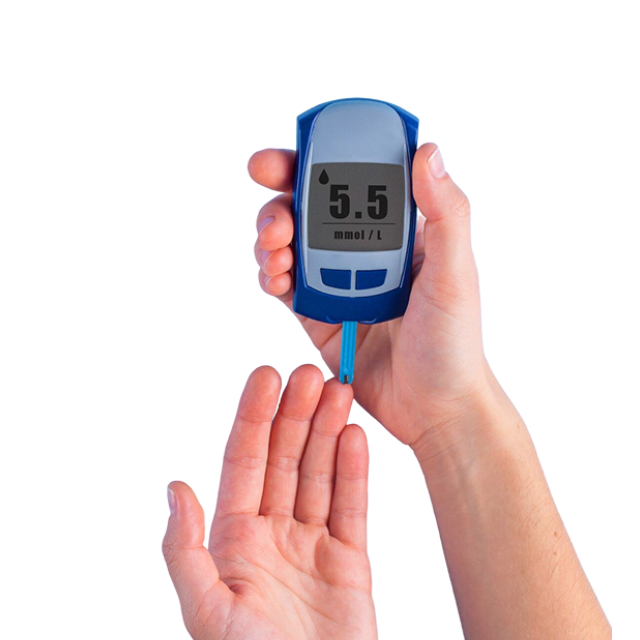


Receiving a diabetes diagnosis can dramatically shift your relationship with food. Every meal suddenly feels like a pivotal choice, often accompanied by overwhelming advice that may feel too general, overly restrictive, or misaligned with traditional Indian eating habits. A suitable diabetic diet plan can make everyday food choices easier while supporting healthier blood sugar levels.
At Food Pharmacy, our Certified Diabetes Educators and Registered Dietitians offer medical nutrition therapy that blends clinical science with the rich tapestry of Indian food culture. We collaborate closely with your healthcare provider to create a practical diabetes management diet plan that fits your dietary preferences and lifestyle, making food a reliable ally in managing blood sugar rather than a source of anxiety.
While medication plays a vital role in controlling blood sugar, nutrition has the power to transform your overall health. Research consistently shows that structured medical nutrition therapy, guided by a qualified diabetes dietitian, can lead to significant reductions in HbA1c levels, decreased medication reliance over time, and a lower risk of long-term complications.

Achieve measurable reductions in HbA1c levels within 8 to 12 weeks of consistent dietary changes.

Stabilize post-meal glucose spikes that can lead to long-term vascular and nerve damage.

Enhance insulin sensitivity, potentially reducing medication needs for those with Type 2 diabetes.

Support healthy weight management, which is crucial for blood sugar control.

Safeguard kidney, eye, and cardiovascular health through targeted anti-inflammatory eating.

- Prevent the progression from pre-diabetes to Type 2 diabetes entirely.

Our team of Certified Diabetes Educators and Registered Dietitians is equipped to support a wide range of diabetes and blood sugar disorders, including
Customized carbohydrate management, meal timing strategies, and lifestyle-integrated plans aimed at lowering HbA1c and decreasing long-term medication dependence.
Carbohydrate counting, insulin-to-carb ratio guidance, and meal planning to ensure consistent glucose management throughout your day.
Targeted early intervention plans designed to reverse insulin resistance and prevent the progression to Type 2 diabetes through dietary changes alone.
Safe, nutritionally complete meal plans that manage blood glucose during pregnancy while promoting healthy fetal development and maternal well-being.
Specialized dietary support for individuals managing diabetic nephropathy, retinopathy, neuropathy, or cardiovascular risks alongside their diabetes.
Our diabetes nutrition plans extend beyond merely listing foods to avoid. Every plan is crafted to be medically sound, culturally relevant, and genuinely sustainable

Each plan is tailored to your current HbA1c, fasting glucose, and post-meal glucose patterns, setting clear, measurable nutritional goals and regularly reviewing your progress to adapt your plan as you improve.

Not all carbohydrates impact blood sugar in the same way. We educate you on the glycaemic index and glycaemic load of Indian staples—from various rice and roti types to dals, fruits, and snacks—empowering you to make informed dietary choices for life.

The amount and timing of carbohydrates directly influence post-meal glucose spikes. We guide you in practical carbohydrate counting techniques and help establish a meal timing structure that maintains stable blood sugar throughout the day.

Well balanced meals matter. Our Nutritionists specializes in modifying your meals into wholesome yet interesting diabetic-friendly meal plans, ensuring your meals remain enjoyable and meaningful.

Certain foods can influence the absorption and effectiveness of diabetes medications. We provide practical advice on meal timing in relation to your medications, helping you maximize the benefits of both your diet and treatment.

Managing diabetes is a continuous journey, not a one-time consultation. We track your glucose trends, HbA1c results, and lifestyle changes over time, proactively adjusting your plan as your health improves. Your nutrition strategy should evolve as you do.
Many diabetes diet recommendations fall short because they overlook the nuances of Indian cuisine. A diabetic diet chart that suggests substituting rice with quinoa or eliminating rotis is not only impractical but also culturally disconnected. Our Certified Diabetes Educators create plans rooted in the essence of Indian food culture, incorporating dals, rotis, rice, regional curries, seasonal vegetables, and festive foods. We aim to lower blood sugar without making food an adversary.
You may find value in a diabetes nutrition consultation if you
Have been diagnosed with Type 1 or Type 2 diabetes and seek structured dietary guidance.
Are pre-diabetic and wish to reverse insulin resistance before it advances.
Have received a diagnosis of gestational diabetes during pregnancy.
Are managing diabetes-related complications such as kidney disease, vision issues, or nerve damage.
Feel that current diabetes dietary advice is too broad or not tailored to Indian eating practices.
Wish to lessen reliance on medication through proven dietary strategies.
Have elevated HbA1c levels and desire a structured plan to lower them.
Are newly diagnosed and feeling overwhelmed, seeking compassionate and practical guidance.
Book a diabetes nutrition consultation with our Certified Diabetes Educators today. Real food. Real results. A plan built for your body, your culture, and your life