Your Skin Has a Story to Tell, and the Clue Often Lies in What You Eat
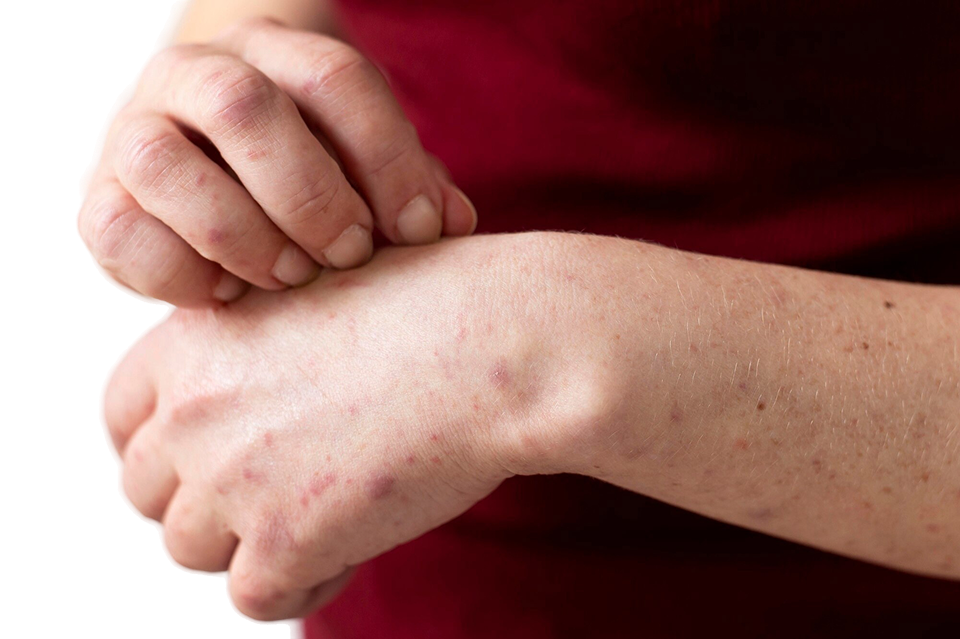


Eczema, psoriasis, hives, and cystic acne aren't just skin issues; they're your body's way of communicating something deeper. These conditions can reveal insights into your gut health, immune response, hormone balance, and inflammation levels. So, while creams and treatments can help on the surface, addressing the root causes is crucial for real healing.
If you've been living with a chronic skin condition, you may have tried creams, antihistamines, or other medicines to manage it. These treatments can help for a while. However, the relief is often temporary. Flare-ups can keep coming back. Many people also find that no one has asked about their diet.
Skin Health Nutrition plays an important role in skin health. Many studies have explored this connection. Yet it is still one of the most overlooked parts of clinical dietetics.
At Food Pharmacy, our nutrition specialists work with people who have chronic inflammatory skin conditions. We look at your skin and gut health to understand what may be contributing to your symptoms. Based on these findings, we create a personalized healthy skin diet plan that supports healthier skin from the inside out.
Skincare products help from the outside. They protect and nourish. But nutrition works from within. Equally important.
Research shows something clear. A balanced diet matters. Rich in vitamins. Minerals. Antioxidants. Healthy fats. High-quality protein. All of these support skin repair. Strengthen the skin barrier. Promote collagen production. Help reduce inflammation.
Working with a qualified nutrition professional makes a difference. They help address nutrient deficiencies. Improve chronic skin conditions. Support healthier skin. More resilient skin. Over time. That is the goal.
The connection between your gut and skin is often overlooked. Yet it plays a major role in many chronic skin conditions. Your gut does much more than digest food. It is home to trillions of microorganisms that support your immune system. They also help control inflammation. Another important job is producing short-chain fatty acids. These compounds help keep your skin barrier strong and healthy.
When the balance of these microorganism changes, it is called gut dysbiosis. This imbalance can affect how your immune system works. It can also make the lining of the gut more permeable. As a result, bacterial fragments, undigested food proteins, and other inflammatory substances may enter the bloodstream.
Your immune system reacts to these substances by triggering inflammation. The effects can vary from person to person. Some people develop joint problems such as arthritis. Others experience asthma. For many, the inflammation appears on the skin as eczema, psoriasis, hives, or acne.
The link between gut health and skin conditions is supported by a growing body of peer-reviewed research. Gut Health for Skin is now becoming an important part of the way dermatologists and clinical nutritionists approach chronic inflammatory skin conditions. Improving gut health is not simply an alternative strategy. It can help support healthier skin and improve the long-term results of your treatment. Gut health for skin is extremely important.
Our skin health nutrition service is for people who are dealing with ongoing skin problems. We take a closer look at your diet, gut health, and lifestyle to understand what may be contributing to your symptoms.
Living with eczema can be exhausting. The itching can keep you awake. The dryness can make even simple tasks uncomfortable. For some people, certain foods or poor gut health may make flare-ups worse.
These conditions cause the skin to become red, irritated, and inflamed. Sometimes the trigger is obvious. Sometimes it isn't. We look at your eating habits and nutritional status to see if they could be playing a part.
Hives often appear without warning. The itchy welts can come and go. In some people, foods that are high in histamine or salicylates may trigger symptoms. Gut health and the immune system may also influence how often hives occur.
Psoriasis is more than a skin condition. It is linked to inflammation in the body. Research suggests that diet and gut health may influence how active the condition is. That is why they are an important part of our assessment.
Painful acne is not always just a skin problem. Hormones can play a role. Blood sugar balance can also make a difference. Some people notice changes after eating dairy or high-glycaemic foods. Gut health is another area we explore during your consultation.
Rosacea can leave your skin feeling hot, sensitive, and easily irritated. Many people find that certain foods make their symptoms worse. Research also points to a strong connection between rosacea and gut health. Conditions such as SIBO are becoming an important part of that conversation.
If you have been living with recurring rashes and still don't have clear answers, we can help you look beyond the skin. We assess your diet. We assess your gut health. We also look for nutritional factors that may be contributing to ongoing inflammation. This gives us a clearer picture before creating a personalized nutrition plan.
When it comes to your skin health, our nutrition plans deliver more than just standard clean eating tips. Each plan is uniquely crafted to fit your personal needs, considering your specific skin condition, triggers, bloodwork results, and dietary habits. Here's a sneak peek at what you can expect

We provide guidance on identifying food sensitivities through IgG assessments, along with protocols for elimination and reintroduction. We also map out histamine, salicylate, and additive triggers that may be affecting conditions like hives and urticaria.

Your meal plans will be rich in omega-3 foods, vibrant, phytonutrient packed veggies, and polyphenol rich ingredients, all while minimizing pro-inflammatory fats.

We'll focus on strategies to restore your gut health, incorporating prebiotic and probiotic options, repairing leaky gut with collagen friendly foods, and managing dysbiosis effectively.

Your plan includes targeted nutrition to optimize Skin health, check essential fatty acids, replenish zinc levels, and assess and adapt your vitamin A and D intake, ensuring adequate hydration for healthy skin.

We'll offer evidence-based recommendations for omega-3 fatty acids, zinc, vitamin D3, probiotics, quercetin, and DAO enzyme support tailored to your unique condition and bloodwork results.

As your skin responds and we uncover dietary triggers, your plan will adapt and evolve along with you, ensuring continued progress.
You may benefit from a skin health nutrition consultation if you
Have been diagnosed with eczema, psoriasis, chronic urticaria, or cystic acne and want to address dietary contributors
Have food sensitivities or suspected intolerances that are affecting your skin
Struggle with persistent acne despite topical or antibiotic treatment
Experience skin flares that seem linked to certain foods but have never had structured dietary guidance
Have been on long term medication for a skin condition and want to explore nutritional support alongside your treatment
Experience chronic hives and have been told that no clear cause has been identified
Have a gut health condition, such as IBS, bloating, dysbiosis, alongside a chronic skin condition
Want to understand the connection between what you eat and how your skin behaves? Your Skin Can Get Better, And Food Is Where That Journey Begins.
Living with a chronic skin condition. It affects your confidence. Your daily life too. Many people come to us frustrated. They have tried multiple creams. Medications. Online diet advice. Little success. We see things differently. Your skin is telling a story. An important one. Flare-ups may link to inflammation. Gut health. Immune function. Nutrient deficiencies. Taking into consideration possible factors. Our goal is straightforward. Identify your triggers. Create a personalised nutrition plan. Support healthier skin from within.
A diet for healthy skin built around your condition, your triggers, your gut health, and your goal of lasting, genuine skin improvement from the inside out.