Nourish Your Body Before the Journey Begins - Fertility Starts With What You Eat.



Whether you're aiming for natural conception or preparing for IVF, IUI, or other assisted reproductive treatments, the months leading up to conception are crucial for your nutritional health. The quality of your eggs, the health of your sperm, the thickness of your uterine lining, hormonal balance, and embryo implantation are all significantly influenced by the nutrients your body receives during this time.
At Food Pharmacy, our fertility nutrition specialists are here to support couples and individuals at every stage of the pre-conception journey. We create personalized, evidence-based nutrition plans designed to prepare your body at a cellular level, providing a strong foundation for both fertility treatments and natural conception efforts.
Fertility is not merely about reproduction; it reflects your overall metabolic and nutritional health. Research consistently shows that nutritional status has a direct impact on fertility outcomes, both natural and assisted.

Enhance egg quality by reducing oxidative stress and supporting mitochondrial function in oocytes.

Improve sperm count, motility, and morphology through targeted antioxidant and zinc-rich nutrition.

Promote a healthy uterine lining thickness and receptivity for implantation.

Regulate hormonal balance—particularly FSH, LH, AMH, and progesterone—through diet and targeted supplementation.

Decrease the risk of miscarriage associated with nutritional deficiencies like folate, vitamin D, and omega-3.

Support healthy fetal neural tube development from the earliest days of conception.

Increase IVF success rates; studies indicate that women on a Mediterranean-style fertility diet have significantly higher clinical pregnancy rates per cycle.
While nutrition is not a substitute for medical fertility treatment, it serves as a powerful complement that you can control.
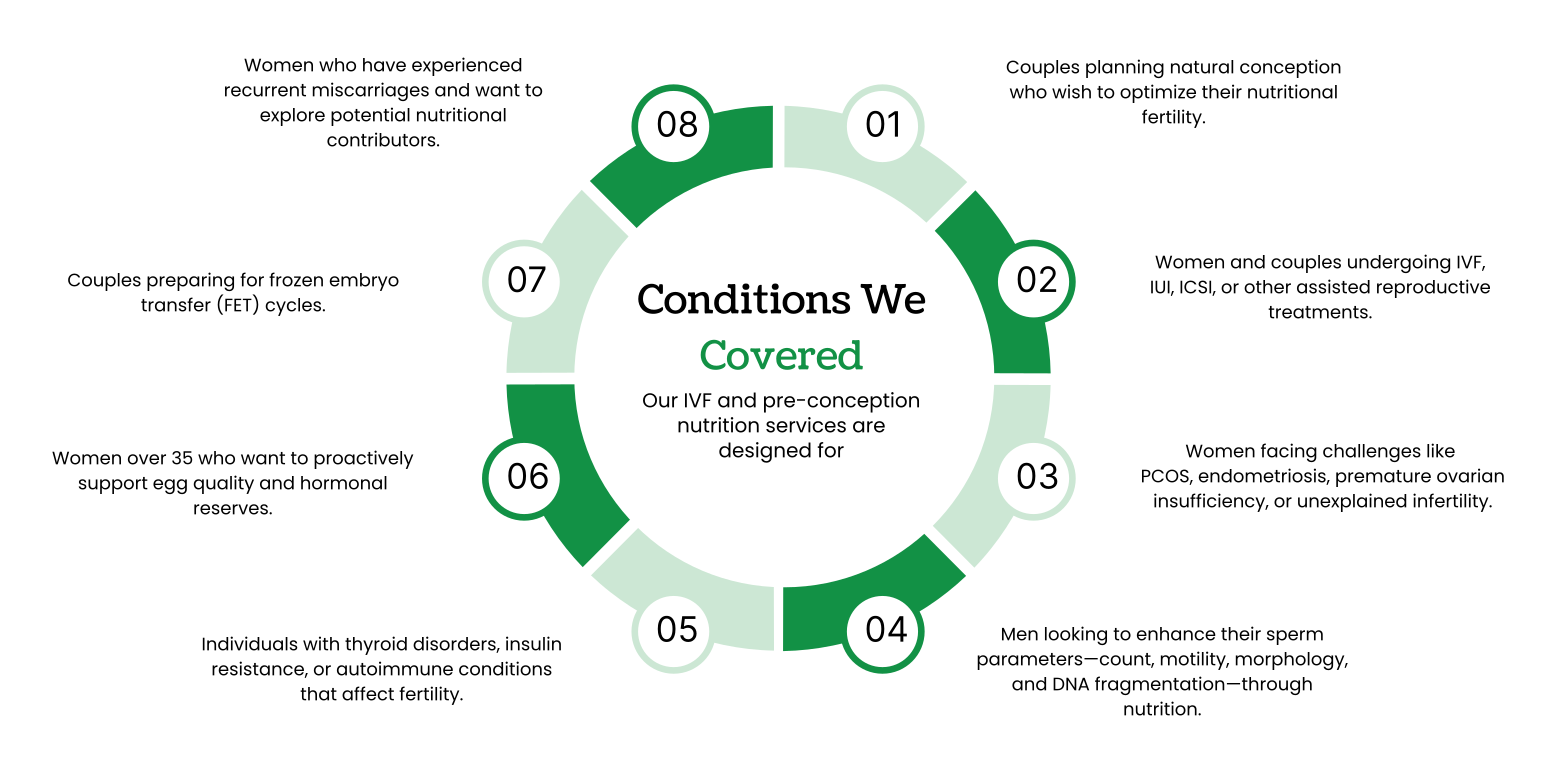
Our pre-conception and IVF nutrition plans are tailored to your specific fertility investigations, hormonal profile, and treatment timeline—moving beyond generic templates.

Egg quality is the most significant factor in IVF success and is heavily influenced by nutritional status in the 90 days leading up to egg retrieval. We develop antioxidant-rich, mitochondria-supportive dietary plans focused on sources of CoQ10, vitamin E, selenium, and anti-inflammatory fats to protect developing oocytes from oxidative damage.

Male infertility contributes to up to 50% of fertility challenges, yet nutritional support for male partners is often overlooked. We create specialized plans that enhance sperm count, motility, and DNA fragmentation using zinc, folate, lycopene, omega-3 fatty acids, and antioxidant-rich dietary strategies—yielding measurable improvements within 60 to 90 days.

A healthy, receptive uterine lining is essential for successful implantation. Our plans include iron-rich, vitamin E-rich, and circulation-supportive foods that promote endometrial thickness and quality, along with advice on foods and habits that may hinder lining development.

Hormonal balance is key at every conception stage—from follicle development and ovulation to early pregnancy maintenance. We focus on balancing estrogen, progesterone, FSH, and LH through phytoestrogen management, liver-supportive detoxification nutrition, and blood sugar stabilization strategies to minimize hormonal disruption.

Our evidence-based supplement protocols are personalized and go beyond standard prenatal vitamins. We include methylfolate (for those with MTHFR variants), CoQ10 (ubiquinol form), vitamin D3, omega-3 DHA, inositol, and other vital nutrients tailored to your specific bloodwork, deficiencies, and fertility diagnosis.

IVF is a medically intensive process with unique nutritional needs at each stage. We offer phase wise nutrition guidance to support your body's response to stimulation medications, aid recovery post-egg retrieval, optimize the uterine environment before transfer, provide anti-inflammatory, progesterone-supportive nutrition during the implantation window.

Emerging research highlights the link between gut microbiome health and fertility outcomes, including implantation success and pregnancy maintenance. We implement gut-supportive strategies such as prebiotic and probiotic nutrition, anti-inflammatory dietary patterns, and guidance on foods that may disrupt gut health and hormonal signaling before conception.
We recognize that the path to parenthood can be complex, often filled with the weight of past losses and uncertainty. Our consultations blend clinical rigor with the sensitivity your journey deserves. Your fertility nutrition plan is not a one-size-fits-all template; it's crafted from your hormone panel, AMH levels, your partner's semen analysis, fertility diagnosis, treatment protocol, food culture, and timeline. Every recommendation is grounded in reproductive nutrition science, aimed at achieving the best possible outcome for you. >We work closely with your fertility specialist, gynecologist, and reproductive endocrinologist to ensure that your nutrition plan aligns seamlessly with your treatment protocol and timeline.
The optimal time to begin pre-conception nutrition is at least three months before you plan to conceive or start fertility treatment. This is important because:
Egg development (folliculogenesis) takes approximately 90 days, meaning nutritional changes made today will affect the eggs available in three months.
Sperm regeneration cycles last about 64 to 74 days, making early nutritional intervention for males equally crucial.
Building adequate stores of folate, vitamin D, iron, and omega-3 takes time and cannot be achieved in the days leading up to conception.
Hormonal recalibration through dietary changes typically requires 8 to 12 weeks to show meaningful results in bloodwork.
Schedule a pre-conception or IVF nutrition consultation with our fertility nutrition specialists today. The most important step you can take before trying to conceive is ensuring your body is truly prepared.